Raven Trails specializes in trail skills trainings for trail construction, maintenance, and design.
Each training uses your trails as the classroom. We learn together about what works, what doesn’t, and how to make the best decisions possible to improve the landscapes we love and the experiences you seek. The trainings are a results driven process where technical skills are taught by applying theory to actual, on-the-ground practice to increase skill sets, confidence, and decision making abilities.
Here are our current trail training offerings. If you know your participants and are looking for a customized training, let’s talk! Raven Trails provides trail trainings tailored to your crew, project, and volunteer needs.
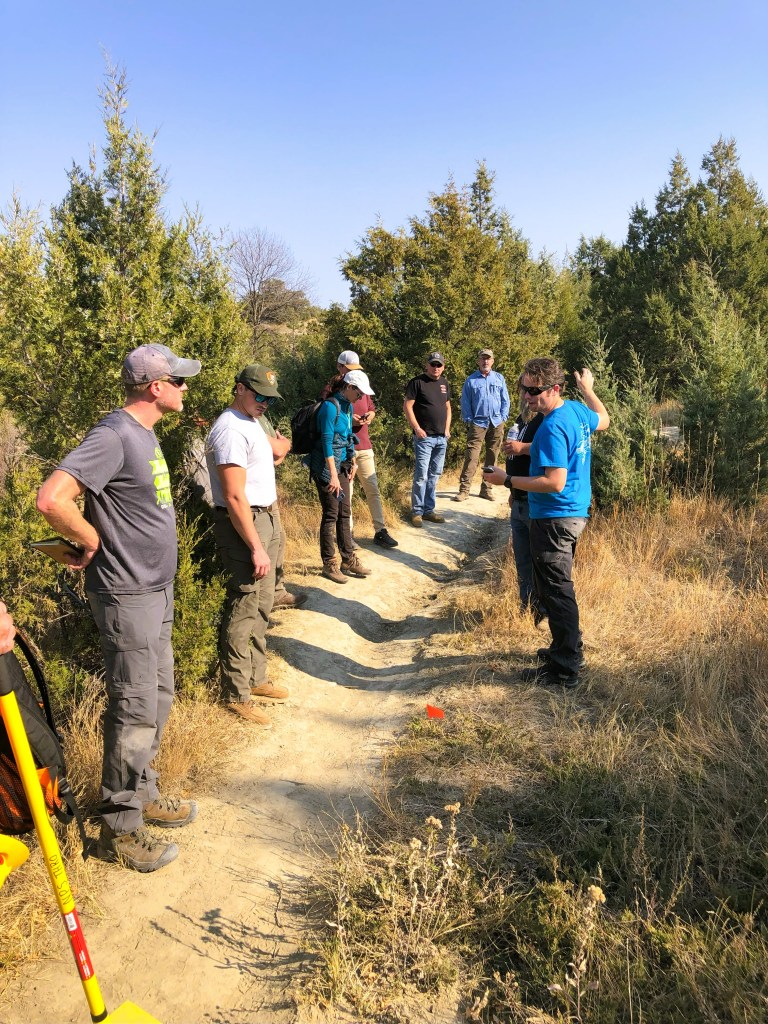
Our foundational training for trail work that places the trail in context with the land and users. This training does not require ground disturbance as a part of the learning process, making it a great opportunity for organizations wanting to learn more without the logistical needs of project implementation.
Timeframe: Half day (4 hours) to full field day (8 hours)
Learning objectives:
How to increase trail sustainability by identifying and locating issues and remedies
How environmental factors affect trail sustainability (soils, vegetation, precipitation, substrate)
Why existing alignments are affected by environmental conditions
Why existing alignments affect user behavior and experience
Trail Maintenance
Take care of what we have. Our trail maintenance training uses an existing trail to review concepts and terminology, determine appropriate work types, and perform standard trail maintenance to improve the user experience and environmental trail sustainability.
Timeframe: Full field day (8 hours)
Learning objectives:
How to minimize impact while improving the user experience
Why trails affect and/or contribute to the user experience
Understand the ways erosion acts on the trail to determine maintenance types and locations
How and when to construct rolling grade dips, knicks, outsloping, and other drainage features
How to brush a proper trail corridor
How to prune vegetation to preserve tree health
Trail Construction
Building trails by hand is the ultimate team effort. Learn how to work together to construct industry standard trail by hand and create a sustainable and long lasting experience.
Timeframe: 1-2 full field day(s) (8 hour days)
Learning Objectives:
How to anticipate and validate desired user experiences
How to clear the corridor
Understand trail terminology and specifications
How to build trail as a team
How to construct a trail for long term sustainability
Advanced Trail Training
Rock Work for Trails
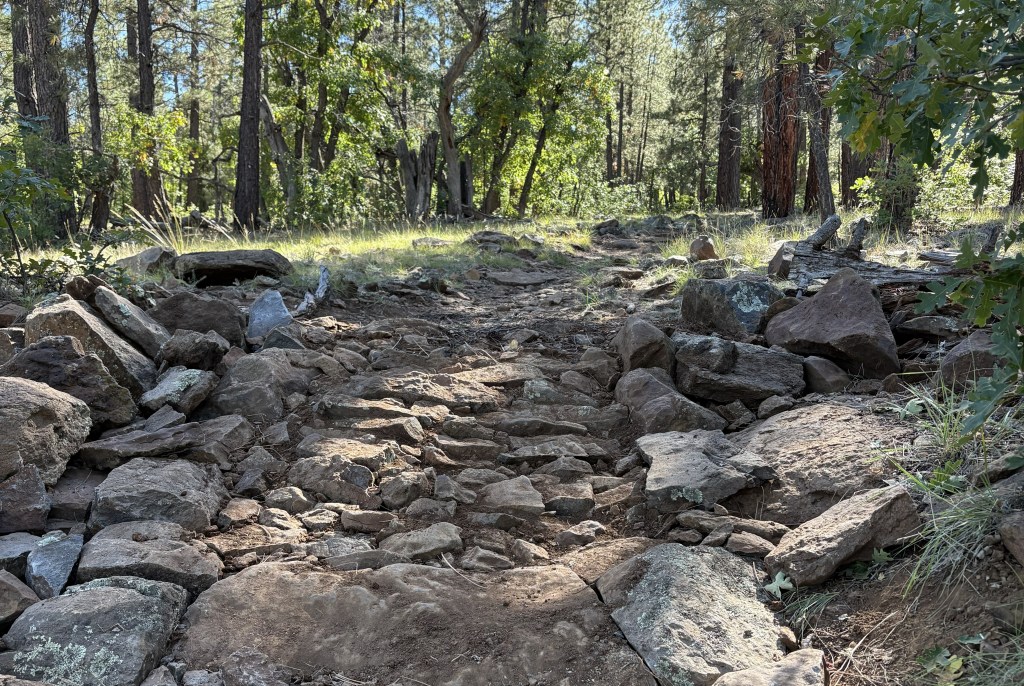
Dry stone masonry structures for trails are durable and effective but require skilled effort. Learn the fundamentals of rock work for trails to construct a variety of structures to support the trail, slow the effects of erosion, and put trails where they would otherwise not be possible.
Timeframe: 2 full field days (16 hours of instruction)
Learning Objectives:
Learn stone shaping and splitting techniques (as applicable)
Learn structure layout, and design, and material estimating
Understand dry stone masonry terminology
Understand dry stone masonry principles for foundations, rock contacts, and batter
Rigging for Trails
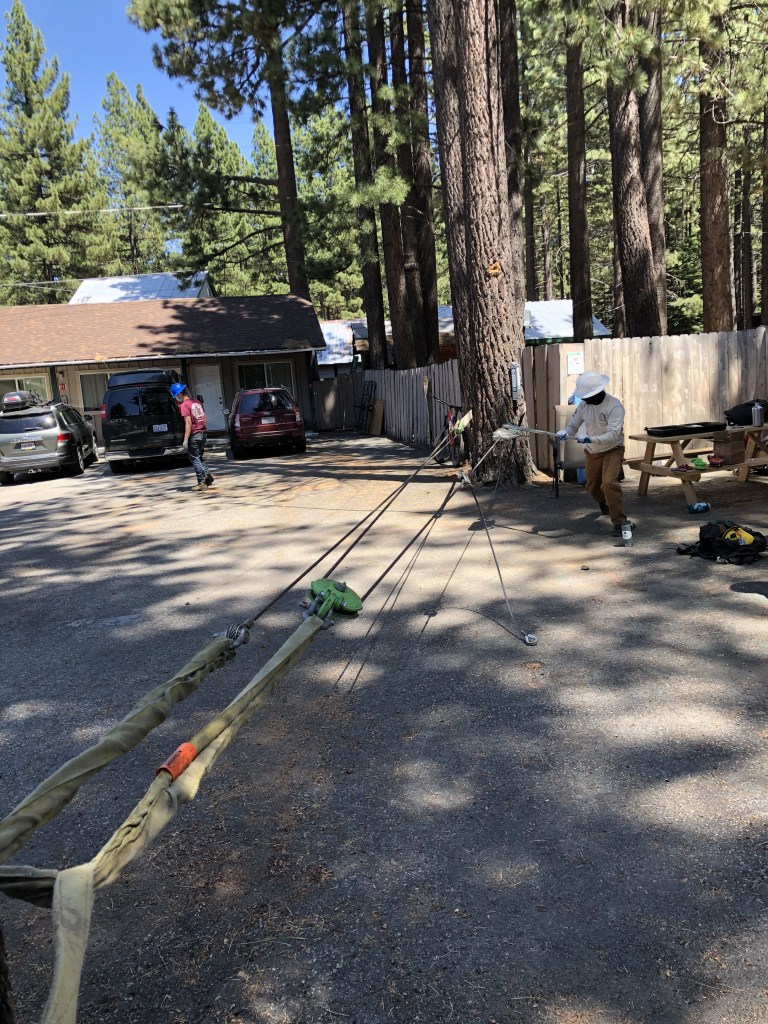
Learn new or strengthen existing skills for grip hoists and rigging systems for trails. Moving big and heavy materials is possible when the right equipment and a good plan are put together for safe and organized operations. This training teaches moving loads across the ground (see Advanced Rigging for highlines)
Timeframe: 2 full field days (16 hours of instruction)
Learning Objectives:
Standard rigging equipment and their working load limits
Safety considerations for rigging system design, implementation, and communication
How to create a rigging plan for safe working practices
How to set up and run basic rigging systems and their applications
Trail Design
Trails that work with nature while being fun to use are the product of the balancing act known as trail design. Learn how to read the landscape, problem solve alignment decisions, and route trails through natural terrain. This training is your opportunity to see the trail before it gets built.
Timeframe: ½ day – 2 full field days
Learning Objectives:
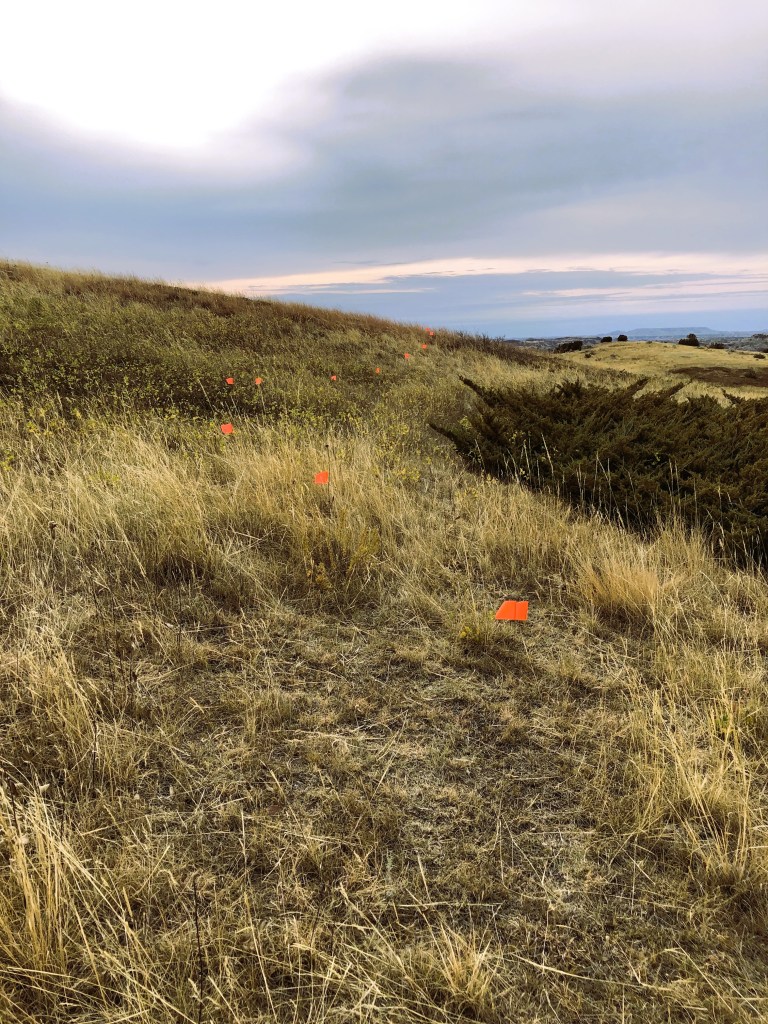
How to flag corridor and pre-construction alignments
How to use clinometers to measure grades
How to read the landscape to determine trail alignment locations
How user experience is affected by alignment decisions
How to limit user conflict by good alignment decisions


 Raven Trails